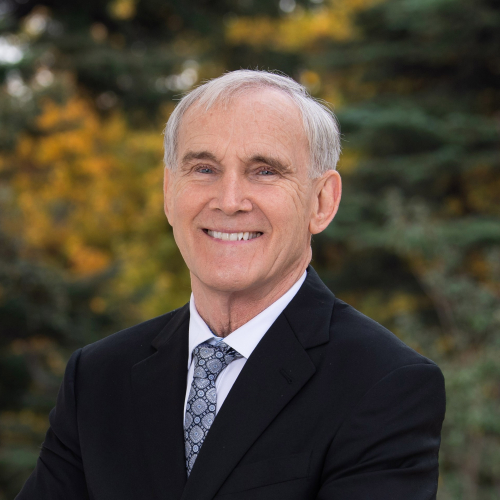
Steve Bennett’s public life has run through Nordhoff High School, Ventura City Hall, the Ventura County Board of Supervisors and, now, the California State Assembly. He spent twenty years teaching economics and American history at Calabasas and Nordhoff high schools, later leading Nordhoff’s counseling department and working as an assistant principal. His electoral career began with a 1991 write-in campaign for the Ventura City Council and continued through repeated county contests before his election to the Assembly. Along the way, his record included repeated efforts on campaign-finance limits, as well as actions concerning worker pay, offshore drilling and the rules governing local political power. He now represents Assembly District 38.
ROOTS AND FIRST OFFICE
Bennett was born in Indianapolis on Dec. 31, 1950. He graduated from Brown University with an honours degree in economics in 1972 and received a master’s degree in education from Butler University in 1976. He married Leslie Ogden, has four children and moved to Ventura.
In the 1990s, Bennett served as spokesman for Voters for Alternate Sites and was a leader of the Alliance for Ventura’s Future. His first City Council campaign, in 1991, was a write-in effort. Endorsed by Patagonia and the Ventura Sierra Club, he finished fifth among 18 candidates. Two years later, he placed second and won a council seat.
Bennett served from 1993 through 1997, then declined to run again under his promise to serve only one term. His council record included a 1994 vote for a resolution opposing Proposition 187, a 1995 vote to have the city attorney support Santa Barbara’s appeal concerning a federal court ruling, and a 1997 vote against term limits for members of Ventura’s boards, commissions and committees.
FROM CITY HALL TO SACRAMENTO
Bennett announced his campaign for the Ventura County Board of Supervisors on April 7, 1999. He defeated Jim Monahan and Rosa Lee Measures in the initial election, then beat Monahan in the runoff. He won again against Jeffrey Ketelsen in 2004, ran without opposition in 2008, defeated Bob Roper after a 2012 contest that also included Christy Weir and Neal Andrews, and beat Dave Grau in 2016. Term limits prevented a sixth term, and Matt LaVere succeeded him.
There was one attempted departure from that county path. Bennett announced a campaign for the United States House of Representatives on Nov. 16, 2011, but withdrew at the California Democratic Party’s state convention. Julia Brownley won the seat in 2012.
Bennett later ran for the Assembly from the 37th Assembly District. He placed second in the primary behind Republican Charles W. Cole, then defeated Cole in the general election. In the state house, Bennett has served on the Budget, Education, Elections, Privacy and Consumer Protection, Rules, and Water, Parks and Wildlife committees. He is also a member of the California Legislative Progressive Caucus.
THE POLICY SIGNATURE
The most persistent part of Bennett’s record is his attention to the terms under which political money enters local government. On the City Council, he proposed a $100 limit on campaign contributions. He also pushed for a 1998 ballot initiative prohibiting organized groups from donating to candidates. As a county supervisor, he proposed an eleven-member ethics panel. These were efforts aimed not merely at officeholders but at the machinery around them: contributors, organized groups and the local bodies responsible for enforcing political rules.
His policy record also identifies the constituencies and interests he has repeatedly placed before public agencies. Bennett supported raising the minimum wage to $8 an hour for workers receiving medical benefits. He called for a resolution prohibiting new federal leases for offshore oil and gas drilling. In 2024, he authored legislation barring the commercial farming of octopuses; Gov. Gavin Newsom signed it in September.
Taken together, the record is clearest on campaign-finance restrictions, worker pay, offshore protection and animal welfare. The documented record includes repeated efforts on campaign-finance restrictions, as well as individual actions involving wage standards, offshore drilling and commercial octopus farming.
- State Assembly · Assembly District 38 · 2022–present
- State Assembly · Assembly District 37 · 2020–
Steve Bennett’s public life has run through Nordhoff High School, Ventura City Hall, the Ventura County Board of Supervisors and, now, the California State Assembly. He spent twenty years teaching economics and American history at Calabasas and Nordhoff high schools, later leading Nordhoff’s counseling department and working as an assistant principal. His electoral career began with a 1991 write-in campaign for the Ventura City Council and continued through repeated county contests before his election to the Assembly. Along the way, his record included repeated efforts on campaign-finance limits, as well as actions concerning worker pay, offshore drilling and the rules governing local political power. He now represents Assembly District 38.
ROOTS AND FIRST OFFICE
Bennett was born in Indianapolis on Dec. 31, 1950. He graduated from Brown University with an honours degree in economics in 1972 and received a master’s degree in education from Butler University in 1976. He married Leslie Ogden, has four children and moved to Ventura.
In the 1990s, Bennett served as spokesman for Voters for Alternate Sites and was a leader of the Alliance for Ventura’s Future. His first City Council campaign, in 1991, was a write-in effort. Endorsed by Patagonia and the Ventura Sierra Club, he finished fifth among 18 candidates. Two years later, he placed second and won a council seat.
Bennett served from 1993 through 1997, then declined to run again under his promise to serve only one term. His council record included a 1994 vote for a resolution opposing Proposition 187, a 1995 vote to have the city attorney support Santa Barbara’s appeal concerning a federal court ruling, and a 1997 vote against term limits for members of Ventura’s boards, commissions and committees.
FROM CITY HALL TO SACRAMENTO
Bennett announced his campaign for the Ventura County Board of Supervisors on April 7, 1999. He defeated Jim Monahan and Rosa Lee Measures in the initial election, then beat Monahan in the runoff. He won again against Jeffrey Ketelsen in 2004, ran without opposition in 2008, defeated Bob Roper after a 2012 contest that also included Christy Weir and Neal Andrews, and beat Dave Grau in 2016. Term limits prevented a sixth term, and Matt LaVere succeeded him.
There was one attempted departure from that county path. Bennett announced a campaign for the United States House of Representatives on Nov. 16, 2011, but withdrew at the California Democratic Party’s state convention. Julia Brownley won the seat in 2012.
Bennett later ran for the Assembly from the 37th Assembly District. He placed second in the primary behind Republican Charles W. Cole, then defeated Cole in the general election. In the state house, Bennett has served on the Budget, Education, Elections, Privacy and Consumer Protection, Rules, and Water, Parks and Wildlife committees. He is also a member of the California Legislative Progressive Caucus.
THE POLICY SIGNATURE
The most persistent part of Bennett’s record is his attention to the terms under which political money enters local government. On the City Council, he proposed a $100 limit on campaign contributions. He also pushed for a 1998 ballot initiative prohibiting organized groups from donating to candidates. As a county supervisor, he proposed an eleven-member ethics panel. These were efforts aimed not merely at officeholders but at the machinery around them: contributors, organized groups and the local bodies responsible for enforcing political rules.
His policy record also identifies the constituencies and interests he has repeatedly placed before public agencies. Bennett supported raising the minimum wage to $8 an hour for workers receiving medical benefits. He called for a resolution prohibiting new federal leases for offshore oil and gas drilling. In 2024, he authored legislation barring the commercial farming of octopuses; Gov. Gavin Newsom signed it in September.
Taken together, the record is clearest on campaign-finance restrictions, worker pay, offshore protection and animal welfare. The documented record includes repeated efforts on campaign-finance restrictions, as well as individual actions involving wage standards, offshore drilling and commercial octopus farming.
The record
4,392 events, each with its sourceSB 401 Hurtado Senate Third Reading By Irwin
SB 479 Arreguín Senate Third Reading By Wicks
SB 599 Caballero Senate Third Reading By Ward
SB 692 Arreguín Senate Third Reading By Mark González
SB 872 McNerney Senate Third Reading By Harabedian
SB 925 McNerney Senate Third Reading By Calderon
SB 932 Hurtado Senate Third Reading By Papan
SB 934 Wiener Senate Third Reading By Ward
SB 945 Weber Pierson Senate Third Reading By Alanis
SB 977 Weber Pierson Senate Third Reading By Schiavo
SB 990 Grove Senate Third Reading By Ellis
SB 1030 Smallwood-Cuevas Senate Third Reading By Sharp-Collins
SB 1056 Grayson Senate Third Reading By Schultz
SB 1069 Grayson Senate Third Reading By Wilson
SB 1135 Blakespear Senate Third Reading By Rogers
SB 1149 Durazo Senate Third Reading By Wicks
SB 1154 Reyes Senate Third Reading By Schultz
SB 1192 Rubio Senate Third Reading By Stefani
SB 1194 Caballero Senate Third Reading By Bonta
SB 1263 McGuire Senate Third Reading By Rogers
SB 1264 Valladares Senate Third Reading By Dixon
SB 1354 Archuleta Senate Third Reading By Schiavo
SB 1371 Durazo Senate Third Reading By Harabedian
SB 1400 Arreguín Senate Third Reading By Ortega
SCR 129 Cortese Senate Third Reading By Calderon
SCR 142 Becker Consent Calendar Second Day Regular Session
SCR 182 Seyarto Consent Calendar Second Day Regular Session
SCR 186 Grayson Consent Calendar Second Day Regular Session
SCR 188 Pérez Consent Calendar Second Day Regular Session
SCR 191 Seyarto Consent Calendar Second Day Regular Session
SCR 192 Stern Consent Calendar Second Day Regular Session
SCR 195 Reyes Consent Calendar Second Day Regular Session
SCR 196 Limón Consent Calendar Second Day Regular Session
SJR 16 Caballero Senate Third Reading By Wilson
AB 442 Hadwick Concurrence in Senate Amendments
AB 1145 Jeff Gonzalez Concurrence in Senate Amendments
AB 2042 Kalra Concurrence in Senate Amendments
ACR 162 Hadwick Concurrence in Senate Amendments
ACR 228 Wilson Consent Calendar Second Day
AJR 17 Celeste Rodriguez Concurrence in Senate Amendments
SB 505 Richardson Senate Third Reading By Krell
SB 799 Allen Senate Third Reading By Muratsuchi
SB 881 McNerney Third Reading Urgency By Soria
SB 941 Padilla Senate Third Reading By Carrillo
SB 971 Choi Senate Third Reading By Garcia
SB 994 Cabaldon Senate Third Reading By Carrillo
SB 1115 Grove Senate Third Reading By Macedo
SB 1169 Grayson Senate Third Reading By Carrillo
SB 1187 Durazo Third Reading Urgency By Fong
SB 1193 Wahab Senate Third Reading By Quirk-Silva