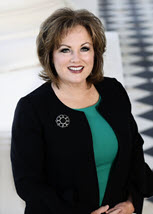
Lamont, Arvin and Bakersfield mark three points in Shannon Grove’s life: she attended Nueva Continuation High School in Lamont, graduated from Arvin High School and now lives in Bakersfield. Between school and business came three years in the U.S. Army, performing administrative work with Headquarters Company, 5th Corps, in Frankfurt, Germany. Back in Kern County, she worked a year each at TempServ and Workforce Staffing before starting a temporary staffing company with her sister-in-law. She entered the California State Assembly in 2010, moved to the State Senate in 2018 and was chosen by her Republican colleagues to lead their caucus in January 2019. That leadership ended two years later after losses at the polls and her incorrect claim that antifa was responsible for the attack on the United States Capitol.
ROOTS AND WORK
Born in Kern County on March 18, 1965, Grove graduated from the Kern High School District after attending Nueva Continuation High School and Arvin High School. Her Army assignment took her to Frankfurt; her working life afterward returned her to Kern County.
In 1993, Grove and her sister-in-law established Continental Labor & Staffing Resources. The company expanded to Bakersfield, Ridgecrest, Paso Robles and Visalia, although the Paso Robles and Visalia operations have since closed.
Grove lives in Bakersfield. She has five grown children and belongs to an Assemblies of God congregation. She has described herself as a “gun-carrying, tongue-talking, spirit-filled believer.” Her legislative record includes anti-abortion legislation, opposition to aid-in-dying legislation and mandatory vaccination of schoolchildren, and a bill concerning belief-based requirements for student organizations.
THE LEGISLATIVE PATH
Grove won election to the Assembly in 2010, succeeding Jean Fuller. She was re-elected twice and sworn into a third term in 2014. Term limits prevented her from seeking a fourth term in 2016.
She served as vice chair of the Elections and Redistricting Committee and sat on the Agriculture, Insurance and Budget committees. Early in her first term, she advocated replacing California’s full-time Legislature with a part-time body and sought a ballot initiative that would reduce lawmakers’ annual salaries.
When Fuller could not seek another Senate term in 2018, Grove ran for the open seat and won the State Senate election. In January 2019, Senate Republicans elected her their leader. Republican dissatisfaction with her leadership increased after the caucus lost two seats in November 2020. Grove was ousted after the January 2021 Capitol attack, which she incorrectly blamed on antifa; she also promoted and supported Donald Trump’s false claims of voter fraud after the 2020 presidential election.
THE PUBLIC FIGHTS
Grove’s record has often placed her against state mandates and regulatory programs. She opposed mandatory vaccination of schoolchildren. In September 2020, during the COVID-19 pandemic, she addressed a prayer gathering in front of the California State Capitol without a mask while under a state-ordered quarantine.
In 2015, she introduced a bill that would require California public colleges and universities to allow student organizations to maintain belief-based requirements for members and leaders. She introduced anti-abortion legislation that did not pass, opposed requirements that crisis pregnancy centers disclose whether they were licensed, and opposed aid-in-dying legislation. In a June 2016 speech, she linked abortion legislation to California’s drought.
Her regulatory fights also covered water, transportation and energy. She blamed farmers’ lack of water on policies under the Endangered Species Act, called high-speed rail a “train to nowhere,” opposed regulation of hydraulic fracturing and sponsored legislation to exempt gasoline, diesel and natural gas from the cap-and-trade program. In 2012, she invited climate change denier Lord Monckton to speak to the Legislature.
THE POLICY RECORD
Grove’s record includes anti-abortion legislation; opposition to aid-in-dying legislation, mandatory vaccination of schoolchildren, regulation of hydraulic fracturing and high-speed rail; legislation to exempt gasoline, diesel and natural gas from cap and trade; and criticism of Endangered Species Act policies that she blamed for farmers’ lack of water.
In those efforts, she argued that policies under the Endangered Species Act deprived California farmers of water; sought to require public colleges and universities to allow student organizations to maintain belief-based membership and leadership requirements; introduced anti-abortion legislation; opposed aid-in-dying legislation; and sponsored legislation to exempt gasoline, diesel and natural gas from cap and trade.
Her social-services record includes opposition to financial assistance for diapers for poor families and proposals to restructure state services. She advocated closing two state developmental centers and introduced legislation to move their residents into nonprofit community-based care.
Across those issues, her record includes legislation to change requirements or shift services, opposition to mandates, and public arguments against high-speed rail and several regulatory policies.
- State Senate · Senate District 16 · former
- State Senate · Senate District 12 · 2022–present
- State Assembly · Assembly District 34 · 2013–
- State Assembly · Assembly District 32 · 2011–
Lamont, Arvin and Bakersfield mark three points in Shannon Grove’s life: she attended Nueva Continuation High School in Lamont, graduated from Arvin High School and now lives in Bakersfield. Between school and business came three years in the U.S. Army, performing administrative work with Headquarters Company, 5th Corps, in Frankfurt, Germany. Back in Kern County, she worked a year each at TempServ and Workforce Staffing before starting a temporary staffing company with her sister-in-law. She entered the California State Assembly in 2010, moved to the State Senate in 2018 and was chosen by her Republican colleagues to lead their caucus in January 2019. That leadership ended two years later after losses at the polls and her incorrect claim that antifa was responsible for the attack on the United States Capitol.
ROOTS AND WORK
Born in Kern County on March 18, 1965, Grove graduated from the Kern High School District after attending Nueva Continuation High School and Arvin High School. Her Army assignment took her to Frankfurt; her working life afterward returned her to Kern County.
In 1993, Grove and her sister-in-law established Continental Labor & Staffing Resources. The company expanded to Bakersfield, Ridgecrest, Paso Robles and Visalia, although the Paso Robles and Visalia operations have since closed.
Grove lives in Bakersfield. She has five grown children and belongs to an Assemblies of God congregation. She has described herself as a “gun-carrying, tongue-talking, spirit-filled believer.” Her legislative record includes anti-abortion legislation, opposition to aid-in-dying legislation and mandatory vaccination of schoolchildren, and a bill concerning belief-based requirements for student organizations.
THE LEGISLATIVE PATH
Grove won election to the Assembly in 2010, succeeding Jean Fuller. She was re-elected twice and sworn into a third term in 2014. Term limits prevented her from seeking a fourth term in 2016.
She served as vice chair of the Elections and Redistricting Committee and sat on the Agriculture, Insurance and Budget committees. Early in her first term, she advocated replacing California’s full-time Legislature with a part-time body and sought a ballot initiative that would reduce lawmakers’ annual salaries.
When Fuller could not seek another Senate term in 2018, Grove ran for the open seat and won the State Senate election. In January 2019, Senate Republicans elected her their leader. Republican dissatisfaction with her leadership increased after the caucus lost two seats in November 2020. Grove was ousted after the January 2021 Capitol attack, which she incorrectly blamed on antifa; she also promoted and supported Donald Trump’s false claims of voter fraud after the 2020 presidential election.
THE PUBLIC FIGHTS
Grove’s record has often placed her against state mandates and regulatory programs. She opposed mandatory vaccination of schoolchildren. In September 2020, during the COVID-19 pandemic, she addressed a prayer gathering in front of the California State Capitol without a mask while under a state-ordered quarantine.
In 2015, she introduced a bill that would require California public colleges and universities to allow student organizations to maintain belief-based requirements for members and leaders. She introduced anti-abortion legislation that did not pass, opposed requirements that crisis pregnancy centers disclose whether they were licensed, and opposed aid-in-dying legislation. In a June 2016 speech, she linked abortion legislation to California’s drought.
Her regulatory fights also covered water, transportation and energy. She blamed farmers’ lack of water on policies under the Endangered Species Act, called high-speed rail a “train to nowhere,” opposed regulation of hydraulic fracturing and sponsored legislation to exempt gasoline, diesel and natural gas from the cap-and-trade program. In 2012, she invited climate change denier Lord Monckton to speak to the Legislature.
THE POLICY RECORD
Grove’s record includes anti-abortion legislation; opposition to aid-in-dying legislation, mandatory vaccination of schoolchildren, regulation of hydraulic fracturing and high-speed rail; legislation to exempt gasoline, diesel and natural gas from cap and trade; and criticism of Endangered Species Act policies that she blamed for farmers’ lack of water.
In those efforts, she argued that policies under the Endangered Species Act deprived California farmers of water; sought to require public colleges and universities to allow student organizations to maintain belief-based membership and leadership requirements; introduced anti-abortion legislation; opposed aid-in-dying legislation; and sponsored legislation to exempt gasoline, diesel and natural gas from cap and trade.
Her social-services record includes opposition to financial assistance for diapers for poor families and proposals to restructure state services. She advocated closing two state developmental centers and introduced legislation to move their residents into nonprofit community-based care.
Across those issues, her record includes legislation to change requirements or shift services, opposition to mandates, and public arguments against high-speed rail and several regulatory policies.
The record
138 events, each with its sourceSmog check: motor vehicles: exemption.
Special education: pupil transfers: residency requirements: records.
Voter registration: military and overseas voters.
Law enforcement: immigration enforcement.
Real property tax: Personal Income Tax Law: homeowners’ exemption: renter’s credit.
Educational equity: sex-segregated school programs and activities: sex at birth.
Employment: employer contributions: employee withholdings: credit: agricultural employees.
Relative to Teen Dating Violence Awareness and Prevention Month.
Criminal procedure: protective orders.
California Environmental Quality Act: expired regional habitat conservation plan: exemption.
Elections: ballot submission deadline.
Special education: nonpublic, nonsectarian schools or agencies.
Child abuse: mandated reporters: talent agents, managers, and coaches.
Wildfire prevention activities: Endangered Species Act: California Environmental Quality Act: California Coastal Act of 1973.
California Environmental Quality Act: exemption: Gypsum Canyon Veterans Cemetery.
Multifamily Housing Program: Homekey: report.
Peripartum Cardiomyopathy Awareness Month.
Correctional facilities: women’s prisons.
Property taxation: exemption: disabled veteran homeowners.
Impersonation of a peace officer or firefighter during a state of emergency or local emergency.
Personal income tax: credit: qualified teacher: school supplies.
Medi-Cal: graduate medical education payments.
Safe Drinking Water, Wildfire Prevention, Drought Preparedness, and Clean Air Bond Act of 2024: grants: improvements to public evacuation routes: mobile rigid water storage: electrical generators.
Sales and Use Tax Law: consumer designation: all-volunteer fire departments.
State vehicle fleet: light-duty vehicles: raw materials: child labor.
Educational expenses: school choice flex accounts and special education flex accounts.
Education expenses: School Choice Flex Account Act of 2025.
National Human Trafficking Awareness Month.
Tribal gaming: compact and amendment ratification.
Low-carbon fuel standard: regulations.
Personal income taxes: deductions: tips.
Property taxation: exemption: disabled veteran homeowners.