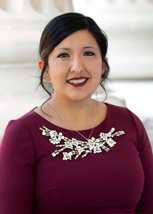
For voters in Senate District 16, Melissa Hurtado’s public path begins in local government, on the Sanger City Council, and reaches the California State Senate through two markedly different elections. In November 2018, she won her Senate seat by defeating incumbent Republican Andy Vidak. Four years later, running in the redrawn district, she survived by 22 votes. Between those campaigns came a place on Joe Biden’s National Latino Leadership Committee; afterward came a bid for Congress that ended in the primary. It is a career defined, in the available public record, less by a catalog of policy achievements than by the offices she sought and the narrow electoral ground she has had to hold.
FROM SANGER
Hurtado was born on March 6, 1988. The first public office identified in her career is the Sanger City Council.
That city post was her only listed elective office before the State Senate.
The record does not provide the dates of her City Council service or details about her work there.
WINNING THE SENATE SEAT
Hurtado was first elected to the California State Senate in November 2018. She defeated incumbent Republican Andy Vidak.
That result established the central fact of her first Senate campaign: she did not enter an open seat. She won it from an incumbent. The available account does not provide the vote totals or margin from that election, nor does it identify the issues on which the campaign turned.
Her rise, as documented, was direct: Sanger City Council, then the State Senate. There are no other offices listed between them.
A NATIONAL CAMPAIGN ROLE
On July 7, 2020, Hurtado was selected to serve on the National Latino Leadership Committee of Joe Biden, who was then a presidential candidate.
The appointment placed a state senator with local-government roots on a named national campaign committee. No duties, policy portfolio or work product from the committee are specified. Nor does the account describe what role Hurtado played in the presidential campaign beyond her selection to the committee.
Still, the date and title matter in the chronology.
TWENTY-TWO VOTES
Hurtado ran for reelection in 2022 in the redrawn 16th Senate District. Before the vote, she was considered the most endangered incumbent at the state level in California.
Hurtado received 50.01% of the vote and won by a margin of 22 votes.
Her reelection was not a broad or comfortable ratification.
The redrawn district also meant that Hurtado was not simply repeating her 2018 campaign before an unchanged constituency. The facts provided do not identify how the district changed or which communities altered the electoral balance. They establish only that the district was redrawn, that Hurtado entered the contest as California’s most endangered state-level incumbent, and that she retained the seat by 22 votes.
The 2018 campaign took the seat from an incumbent. The 2022 campaign kept it under new district lines, but only just.
THE CONGRESSIONAL BID
In July 2023, Hurtado filed paperwork declaring her candidacy for California’s 22nd congressional district in the 2024 election.
It was an attempt to move from the state Legislature to Congress, though the account does not identify her campaign platform or the case she made for changing offices.
Hurtado placed fourth in the March 2024 primary. She did not advance to the general election.
The congressional campaign therefore did not produce another move up the ballot. Her public career remained centered on the Senate seat she had first won in 2018 and retained in 2022.
THE BOTTOM LINE
Hurtado’s documented record is clearest on electoral durability, not on a policy signature.
No legislation, Senate committee assignment, budget vote, regulatory action or sustained policy cause is identified here. Without those particulars, it would be speculation to say what Hurtado is most known for as a policymaker or to assign her a constituency of interest beyond the electorates attached to the offices she has held and sought.
What voters can see plainly is the political map of her career. It starts with Sanger, moves to the State Senate in 2018, passes through a national campaign appointment in 2020, narrows to a 22-vote reelection in 2022 and extends unsuccessfully toward Congress in 2024. Her defining public test has been keeping the Senate office she won from an incumbent—and doing so in a district where, in the last documented Senate election, almost every vote was needed.
- State Senate · Senate District 16 · 2022–present
- State Senate · Senate District 14 · 2018–
For voters in Senate District 16, Melissa Hurtado’s public path begins in local government, on the Sanger City Council, and reaches the California State Senate through two markedly different elections. In November 2018, she won her Senate seat by defeating incumbent Republican Andy Vidak. Four years later, running in the redrawn district, she survived by 22 votes. Between those campaigns came a place on Joe Biden’s National Latino Leadership Committee; afterward came a bid for Congress that ended in the primary. It is a career defined, in the available public record, less by a catalog of policy achievements than by the offices she sought and the narrow electoral ground she has had to hold.
FROM SANGER
Hurtado was born on March 6, 1988. The first public office identified in her career is the Sanger City Council.
That city post was her only listed elective office before the State Senate.
The record does not provide the dates of her City Council service or details about her work there.
WINNING THE SENATE SEAT
Hurtado was first elected to the California State Senate in November 2018. She defeated incumbent Republican Andy Vidak.
That result established the central fact of her first Senate campaign: she did not enter an open seat. She won it from an incumbent. The available account does not provide the vote totals or margin from that election, nor does it identify the issues on which the campaign turned.
Her rise, as documented, was direct: Sanger City Council, then the State Senate. There are no other offices listed between them.
A NATIONAL CAMPAIGN ROLE
On July 7, 2020, Hurtado was selected to serve on the National Latino Leadership Committee of Joe Biden, who was then a presidential candidate.
The appointment placed a state senator with local-government roots on a named national campaign committee. No duties, policy portfolio or work product from the committee are specified. Nor does the account describe what role Hurtado played in the presidential campaign beyond her selection to the committee.
Still, the date and title matter in the chronology.
TWENTY-TWO VOTES
Hurtado ran for reelection in 2022 in the redrawn 16th Senate District. Before the vote, she was considered the most endangered incumbent at the state level in California.
Hurtado received 50.01% of the vote and won by a margin of 22 votes.
Her reelection was not a broad or comfortable ratification.
The redrawn district also meant that Hurtado was not simply repeating her 2018 campaign before an unchanged constituency. The facts provided do not identify how the district changed or which communities altered the electoral balance. They establish only that the district was redrawn, that Hurtado entered the contest as California’s most endangered state-level incumbent, and that she retained the seat by 22 votes.
The 2018 campaign took the seat from an incumbent. The 2022 campaign kept it under new district lines, but only just.
THE CONGRESSIONAL BID
In July 2023, Hurtado filed paperwork declaring her candidacy for California’s 22nd congressional district in the 2024 election.
It was an attempt to move from the state Legislature to Congress, though the account does not identify her campaign platform or the case she made for changing offices.
Hurtado placed fourth in the March 2024 primary. She did not advance to the general election.
The congressional campaign therefore did not produce another move up the ballot. Her public career remained centered on the Senate seat she had first won in 2018 and retained in 2022.
THE BOTTOM LINE
Hurtado’s documented record is clearest on electoral durability, not on a policy signature.
No legislation, Senate committee assignment, budget vote, regulatory action or sustained policy cause is identified here. Without those particulars, it would be speculation to say what Hurtado is most known for as a policymaker or to assign her a constituency of interest beyond the electorates attached to the offices she has held and sought.
What voters can see plainly is the political map of her career. It starts with Sanger, moves to the State Senate in 2018, passes through a national campaign appointment in 2020, narrows to a 22-vote reelection in 2022 and extends unsuccessfully toward Congress in 2024. Her defining public test has been keeping the Senate office she won from an incumbent—and doing so in a district where, in the last documented Senate election, almost every vote was needed.
The record
4,450 events, each with its sourceSenate 3rd Reading SB742 Pérez et al
Senate 3rd Reading SB799 Allen
Senate 3rd Reading SB828 Cabaldon et al
Senate 3rd Reading SB832 Allen
Senate 3rd Reading SB849 Weber Pierson
Senate 3rd Reading SR70 Pérez
Unfinished Business SJR9 Durazo et al. Concurrence
Consent Calendar 2nd SB607 Wiener
Senate 3rd Reading SCR107 Richardson et al
Do pass as amended, but first amend, and re-refer to the Committee on [Appropriations]
Do pass as amended, but first amend, and re-refer to the Committee on [Appropriations]
Do pass as amended, but first amend, and re-refer to the Committee on [Appropriations]
Do pass, but first be re-referred to the Committee on [Judiciary]
Do pass, but first be re-referred to the Committee on [Natural Resources and Water] with the recommendation: To Consent Calendar
Do pass, but first be re-referred to the Committee on [Appropriations]
Do pass, but first be re-referred to the Committee on [Local Government]
Do pass as amended, but first amend, and re-refer to the Committee on [Appropriations]
Do pass as amended, but first amend, and re-refer to the Committee on [Appropriations]
Senate 3rd Reading SCR106 Choi
Do pass, but first be re-referred to the Committee on [Appropriations]
Do pass, but first be re-referred to the Committee on [Appropriations] with the recommendation: To Consent Calendar
Do pass, but first be re-referred to the Committee on [Appropriations] with the recommendation: To Consent Calendar
Assembly 3rd Reading AB226 Calderon et al. By Umberg Urgency Clause
Assembly 2nd Reading AB825 Petrie-Norris et al. By Becker
Assembly 3rd Reading AB888 Calderon et al. By Grayson
Assembly 2nd Reading AB1207 Irwin et al. By Limón Urgency Clause
Assembly 3rd Reading AB1231 Elhawary et al. By Cortese
Unfinished Business SB11 Ashby Concurrence
Unfinished Business SB34 Richardson Concurrence
Unfinished Business SB34 Richardson Motion to Reconsider Concurrence Reconsider
Unfinished Business SB42 Umberg et al. Concurrence
W/O REF. TO FILE SB48 Gonzalez
Unfinished Business SB53 Wiener et al. Concurrence
Unfinished Business SB57 Padilla et al. Concurrence
Unfinished Business SB59 Wiener et al. Urgency Clause Concurrence
Unfinished Business SB63 Wiener et al. Concurrence
Unfinished Business SB67 Seyarto et al. Concurrence
Unfinished Business SB75 Smallwood-Cuevas Concurrence
Unfinished Business SB80 Caballero et al. Concurrence
Unfinished Business SB155 B. & F.R. (Wiener) Concurrence
W/O REF. TO FILE SB158 B. & F.R. (Wiener)
W/O REF. TO FILE SB237 Grayson
Unfinished Business SB245 Reyes Concurrence
W/O REF. TO FILE SB254 Becker
W/O REF. TO FILE SB254 Becker Urgency Clause
Unfinished Business SB271 Reyes Concurrence
Unfinished Business SB274 Cervantes et al. Concurrence
Unfinished Business SB294 Reyes et al. Concurrence
Unfinished Business SB326 Becker et al. Concurrence
Unfinished Business SB351 Cabaldon et al. Concurrence