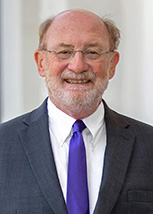
John Laird’s public life runs through institutions familiar to Santa Cruz: the county administration, City Council, the mayor’s office, Cabrillo College and the local organizations built around the coast, credit, AIDS services and LGBTQ+ politics. He moved to Santa Cruz in 1974, when he joined the staff of the county administrator and later worked in personnel and social services. Voters first sent him to the City Council in 1981; four decades later, they elected him to the state Senate. His district now includes all of Santa Cruz, San Benito and Monterey counties and most of San Luis Obispo County. Re-elected in November 2024 with 67.4% of the vote, he was sworn in Dec. 2 for his final Senate term under term limits.
BACKGROUND AND FORMATION
Laird was born March 29, 1950, and raised in Vallejo, where he attended public schools. Both his parents were educators. He graduated in 1972 from Adlai Stevenson College at UC Santa Cruz with an A.B. in politics; his undergraduate thesis examined the history of water development in California.
Before entering Santa Cruz County government, Laird spent two years on the district staff of U.S. Rep. Jerome Waldie. In the summer of 1974, he worked for Florida Rep. Bill Gunter’s U.S. Senate campaign. That year he moved to Santa Cruz and began the local government work that preceded his own campaigns.
His community résumé included service as vice chair of the City Charter Review Committee, a role as a founder of the Santa Cruz Community Credit Union and membership on the board of the Santa Cruz Area Chamber of Commerce. He was also a founding member of the Santa Cruz AIDS Project and served as its executive director from 1991 to 1994. He lives in Santa Cruz with his spouse, John Flores, and is fluent in Spanish.
THE PATH THROUGH GOVERNMENT
Laird won a City Council seat in 1981 and was re-elected as the top vote-getter in 1985. The council chose him for one-year terms as mayor in 1983–84 and 1987–88. He served until term limits ended his council tenure in 1990. During those years, he worked with Save Our Shores against proposed offshore oil drilling. He was also a member of the Democratic Socialist Organizing Committee and its successor, the Democratic Socialists of America.
From 1994 to 2002, Laird served as an elected Cabrillo College trustee. He then ran unopposed in the 2002 Democratic Assembly primary, won the seat and was re-elected in 2004 and 2006. Before terming out in 2008, he authored 82 bills signed into law.
His first Senate campaign ended differently. In 2010, he lost the special primary for the 15th District to Republican Assemblyman Sam Blakeslee by 7.59 percentage points, then lost the special general election by 3.93 points. On Jan. 5, 2011, Gov. Edmund G. Brown Jr. appointed him California secretary for natural resources. Laird remained there through 2019, overseeing a $10 billion budget and 25 statewide departments, commissions and conservancies.
THE POLICY SIGNATURE
Laird announced his campaign for the 17th Senate District in January 2019 and defeated Republican Vicki Nohrden in November 2020, 64.7% to 35.3%. During his first term, he authored 59 bills signed into law. Those measures included legislation concerning fentanyl overdose-reversal drugs and support for older Californians living with HIV.
The clearest policy signature is natural resources and the coast. The record begins with his college thesis on California water development, continues through the Santa Cruz fight against offshore oil drilling and reaches the state’s central machinery for managing natural resources: eight years supervising its departments, commissions, conservancies and budget. His legislative and community records identify other constituencies as well. He was a founding member and later executive director of the Santa Cruz AIDS Project, chaired the California Legislative LGBT Caucus, was a founding member of the International Network of Gay and Lesbian Officials and served as an original board member of BAYMEC. He also worked as a Lavender Reader columnist and a commentator on “Closet Free Radio” at KZSC.
The map has expanded since his City Council years, but the documented interests remain specific: natural resources and coastal protection, LGBTQ+ institutions, HIV services and public health. Those are the organizations, agencies and measures through which Laird’s public work has operated.
- State Senate · Senate District 17 · 2020–present
John Laird’s public life runs through institutions familiar to Santa Cruz: the county administration, City Council, the mayor’s office, Cabrillo College and the local organizations built around the coast, credit, AIDS services and LGBTQ+ politics. He moved to Santa Cruz in 1974, when he joined the staff of the county administrator and later worked in personnel and social services. Voters first sent him to the City Council in 1981; four decades later, they elected him to the state Senate. His district now includes all of Santa Cruz, San Benito and Monterey counties and most of San Luis Obispo County. Re-elected in November 2024 with 67.4% of the vote, he was sworn in Dec. 2 for his final Senate term under term limits.
BACKGROUND AND FORMATION
Laird was born March 29, 1950, and raised in Vallejo, where he attended public schools. Both his parents were educators. He graduated in 1972 from Adlai Stevenson College at UC Santa Cruz with an A.B. in politics; his undergraduate thesis examined the history of water development in California.
Before entering Santa Cruz County government, Laird spent two years on the district staff of U.S. Rep. Jerome Waldie. In the summer of 1974, he worked for Florida Rep. Bill Gunter’s U.S. Senate campaign. That year he moved to Santa Cruz and began the local government work that preceded his own campaigns.
His community résumé included service as vice chair of the City Charter Review Committee, a role as a founder of the Santa Cruz Community Credit Union and membership on the board of the Santa Cruz Area Chamber of Commerce. He was also a founding member of the Santa Cruz AIDS Project and served as its executive director from 1991 to 1994. He lives in Santa Cruz with his spouse, John Flores, and is fluent in Spanish.
THE PATH THROUGH GOVERNMENT
Laird won a City Council seat in 1981 and was re-elected as the top vote-getter in 1985. The council chose him for one-year terms as mayor in 1983–84 and 1987–88. He served until term limits ended his council tenure in 1990. During those years, he worked with Save Our Shores against proposed offshore oil drilling. He was also a member of the Democratic Socialist Organizing Committee and its successor, the Democratic Socialists of America.
From 1994 to 2002, Laird served as an elected Cabrillo College trustee. He then ran unopposed in the 2002 Democratic Assembly primary, won the seat and was re-elected in 2004 and 2006. Before terming out in 2008, he authored 82 bills signed into law.
His first Senate campaign ended differently. In 2010, he lost the special primary for the 15th District to Republican Assemblyman Sam Blakeslee by 7.59 percentage points, then lost the special general election by 3.93 points. On Jan. 5, 2011, Gov. Edmund G. Brown Jr. appointed him California secretary for natural resources. Laird remained there through 2019, overseeing a $10 billion budget and 25 statewide departments, commissions and conservancies.
THE POLICY SIGNATURE
Laird announced his campaign for the 17th Senate District in January 2019 and defeated Republican Vicki Nohrden in November 2020, 64.7% to 35.3%. During his first term, he authored 59 bills signed into law. Those measures included legislation concerning fentanyl overdose-reversal drugs and support for older Californians living with HIV.
The clearest policy signature is natural resources and the coast. The record begins with his college thesis on California water development, continues through the Santa Cruz fight against offshore oil drilling and reaches the state’s central machinery for managing natural resources: eight years supervising its departments, commissions, conservancies and budget. His legislative and community records identify other constituencies as well. He was a founding member and later executive director of the Santa Cruz AIDS Project, chaired the California Legislative LGBT Caucus, was a founding member of the International Network of Gay and Lesbian Officials and served as an original board member of BAYMEC. He also worked as a Lavender Reader columnist and a commentator on “Closet Free Radio” at KZSC.
The map has expanded since his City Council years, but the documented interests remain specific: natural resources and coastal protection, LGBTQ+ institutions, HIV services and public health. Those are the organizations, agencies and measures through which Laird’s public work has operated.
The record
4,641 events, each with its sourceDo pass, but first be re-referred to the Committee on [Appropriations] with the recommendation: To Consent Calendar
Do pass as amended, but first amend, and re-refer to the Committee on [Public Safety]
Do pass, but first be re-referred to the Committee on [Appropriations]
Do pass, but first be re-referred to the Committee on [Judiciary]
Do pass, but first be re-referred to the Committee on [Appropriations] with the recommendation: To Consent Calendar
Do pass and be ordered to the Consent Calendar
Do pass, but first be re-referred to the Committee on [Appropriations]
Do pass, but first be re-referred to the Committee on [Appropriations]
Do pass as amended, but first amend, and re-refer to the Committee on [Public Safety]
Do pass as amended, but first amend, and re-refer to the Committee on [Appropriations]
Do pass, but first be re-referred to the Committee on [Appropriations] with the recommendation: To Consent Calendar
Do pass as amended, but first amend, and re-refer to the Committee on [Appropriations]
Do pass as amended, but first amend, and re-refer to the Committee on [Appropriations]
Consent Calendar 2nd AB545 Davies
Consent Calendar 2nd AB544 Davies
Consent Calendar 2nd AB1416 Ta
Consent Calendar 2nd AB533 Flora
Consent Calendar 2nd AB529 Ahrens
Consent Calendar 2nd AB784 Hoover
Consent Calendar 2nd AB1034 Ávila Farías
Consent Calendar 2nd AB1459 E.S. & T.M. (Connolly)
Senate 3rd Reading SJR9 Durazo et al
Consent Calendar 2nd AB370 Carrillo
Special Consent ACR90 Gipson et al
Consent Calendar 2nd AB898 Bryan
Special Consent ACR92 Mark González et al
Consent Calendar 2nd AB377 Tangipa
Special Consent ACR77 Davies et al. By Niello
Consent Calendar 2nd AB711 Chen
Consent Calendar 2nd AB78 Chen
Consent Calendar 2nd AB553 Caloza et al
Consent Calendar 2nd AB390 Wilson et al
Assembly 3rd Reading AB1138 Zbur et al. By Allen Urgency Clause
Consent Calendar 2nd AB1114 Ávila Farías
Consent Calendar 2nd AB1478 Hoover
Do pass as amended, but first amend, and re-refer to the Committee on [Appropriations]
Do pass as amended, but first amend, and re-refer to the Committee on [Housing]
Do pass, but first be re-referred to the Committee on [Military and Veterans Affairs]
Do pass as amended, but first amend, and re-refer to the Committee on [Judiciary]
Do pass as amended, but first amend, and re-refer to the Committee on [Housing]
Do pass as amended, but first amend, and re-refer to the Committee on [Energy, Utilities and Communications]
Do pass, but first be re-referred to the Committee on [Labor, Public Employment and Retirement ] with the recommendation: To Consent Calendar
Do pass, but first be re-referred to the Committee on [Appropriations] with the recommendation: To Consent Calendar
Do pass, but first be re-referred to the Committee on [Appropriations]
Do pass, but first be re-referred to the Committee on [Appropriations]
Do pass as amended, but first amend, and re-refer to the Committee on [Housing]
Do pass, but first be re-referred to the Committee on [Appropriations] with the recommendation: To Consent Calendar
Do pass, but first be re-referred to the Committee on [Governmental Organization] with the recommendation: To Consent Calendar
Do pass, but first be re-referred to the Committee on [Appropriations]
Do pass, but first be re-referred to the Committee on [Judiciary]