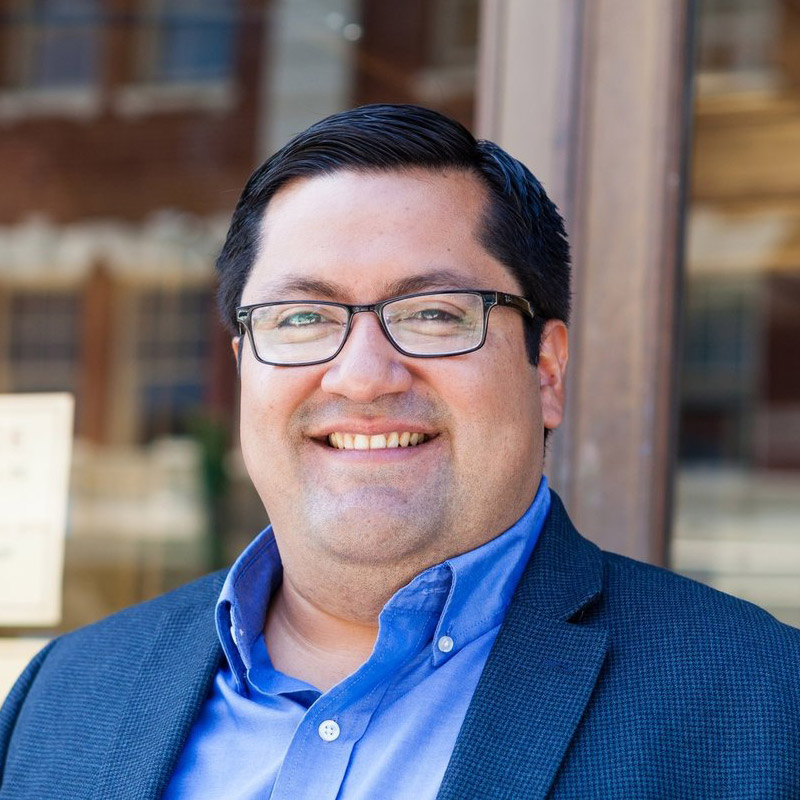
For District 7 voters, Jesse Arreguín’s public career runs through a chain of Berkeley institutions: the Rent Stabilization Board, housing and zoning bodies, the City Council and the mayor’s office. He was elected to the rent board in 2004, represented Council District 4 from 2009 to 2016 and served as mayor from 2016 until November 2024. On December 3, 2024, he was sworn in to represent the district in the California State Senate. Arreguín calls himself an “unapologetic progressive,” a description consistent with his work on wages, affordable housing, police reform, immigration and environmental issues. Housing has remained central to that record, even as his position on development shifted from opposition to support for greater density.
ROOTS AND FIRST OFFICE
Arreguín was born in Fresno on September 4, 1984, and grew up in San Francisco. His parents and grandparents were farmworkers. At age 9, he joined the campaign to rename Army Street for Cesar Chavez, and in 1995 he campaigned against reversing the name change.
He was the first in his family to attend college, studying political science at UC Berkeley. There he served as city affairs director for the Associated Students of the University of California. In 2004, voters elected him to the Berkeley Rent Stabilization Board; he served as its chair until 2008.
That was the beginning of a long apprenticeship in the bodies that handle Berkeley’s recurring arguments over housing and land use. From 2004 to 2009, he served on the Berkeley Housing Commission and Rent Stabilization Board. He also served on the Housing Advisory Commission, Zoning Adjustments Board and Downtown Area Plan Advisory Committee.
BERKELEY CITY HALL
Arreguín represented District 4 on the City Council from 2009 to 2016. He drafted and passed more than 300 pieces of legislation. The list included raising Berkeley’s minimum wage to $15, co-writing the Downtown Area Plan and passing the Affordable Housing Mitigation Fee to build affordable housing. He created police reform after Black Lives Matter demonstrations and worked to save the historic Main Post Office.
He announced his campaign for mayor in October 2015, with endorsements from U.S. Sen. Bernie Sanders, the Sierra Club and the Alameda Democratic Party. He won 51% after ranked-choice tabulation and was sworn in on December 1, 2016. Four years later, he won reelection with 63%.
His mayoral record included animal-rights initiatives, environmental efforts and strong positions on immigration and other social-justice issues. His political statements also brought death threats. On housing development, his record changed: he moved from opposing denser development to supporting it.
THE MOVE TO THE SENATE
Arreguín announced his Senate campaign in February 2023. His endorsers included the California Democratic Party, United Farm Workers, Planned Parenthood, Gov. Gavin Newsom and state Sen. Nancy Skinner. He placed first in the primary and defeated Jovanka Beckles in the general election.
After winning, he resigned as Berkeley’s mayor in November 2024. Upon taking the Senate oath the next month, he immediately introduced SB 9. He was appointed chairman of the public safety and human services committees, then appointed chair of the Senate housing committee in 2025. He also serves on committees covering energy, utilities and communications; local government; transportation; and business, professions and economic development.
His regional work extends beyond the Capitol. Arreguín is vice president of the Association of Bay Area Governments. He has chaired the Council’s Agenda and Rules Committee and serves on its Budget and Finance Committee and 4x4 Joint Committee on Housing.
THE POLICY SIGNATURE
Arreguín is most clearly identified with housing policy and the machinery that governs it. His record begins with rent stabilization and moves through zoning, city planning, an affordable-housing fee, regional government and the Senate housing committee. The change in his development position is part of that record: he moved from earlier opposition to supporting denser housing.
Housing is not the whole of it. His City Council record included a $15 minimum wage and police reform; his mayoral record included environmental efforts and animal-rights initiatives. His public record includes strong positions on immigration and policies he viewed as harmful to his community. His Senate campaign coalition included organized farmworkers, reproductive-health advocates, state Democratic leaders and elected officials.
Taken together, the offices, legislation and endorsements show a politician most consistently engaged with housing affordability, workers, immigrants and social-justice policy. The Senate committee assignments now give him a larger venue for the same set of issues he handled on Berkeley boards, commissions and the City Council.
- State Senate · Senate District 7 · 2024–present
For District 7 voters, Jesse Arreguín’s public career runs through a chain of Berkeley institutions: the Rent Stabilization Board, housing and zoning bodies, the City Council and the mayor’s office. He was elected to the rent board in 2004, represented Council District 4 from 2009 to 2016 and served as mayor from 2016 until November 2024. On December 3, 2024, he was sworn in to represent the district in the California State Senate. Arreguín calls himself an “unapologetic progressive,” a description consistent with his work on wages, affordable housing, police reform, immigration and environmental issues. Housing has remained central to that record, even as his position on development shifted from opposition to support for greater density.
ROOTS AND FIRST OFFICE
Arreguín was born in Fresno on September 4, 1984, and grew up in San Francisco. His parents and grandparents were farmworkers. At age 9, he joined the campaign to rename Army Street for Cesar Chavez, and in 1995 he campaigned against reversing the name change.
He was the first in his family to attend college, studying political science at UC Berkeley. There he served as city affairs director for the Associated Students of the University of California. In 2004, voters elected him to the Berkeley Rent Stabilization Board; he served as its chair until 2008.
That was the beginning of a long apprenticeship in the bodies that handle Berkeley’s recurring arguments over housing and land use. From 2004 to 2009, he served on the Berkeley Housing Commission and Rent Stabilization Board. He also served on the Housing Advisory Commission, Zoning Adjustments Board and Downtown Area Plan Advisory Committee.
BERKELEY CITY HALL
Arreguín represented District 4 on the City Council from 2009 to 2016. He drafted and passed more than 300 pieces of legislation. The list included raising Berkeley’s minimum wage to $15, co-writing the Downtown Area Plan and passing the Affordable Housing Mitigation Fee to build affordable housing. He created police reform after Black Lives Matter demonstrations and worked to save the historic Main Post Office.
He announced his campaign for mayor in October 2015, with endorsements from U.S. Sen. Bernie Sanders, the Sierra Club and the Alameda Democratic Party. He won 51% after ranked-choice tabulation and was sworn in on December 1, 2016. Four years later, he won reelection with 63%.
His mayoral record included animal-rights initiatives, environmental efforts and strong positions on immigration and other social-justice issues. His political statements also brought death threats. On housing development, his record changed: he moved from opposing denser development to supporting it.
THE MOVE TO THE SENATE
Arreguín announced his Senate campaign in February 2023. His endorsers included the California Democratic Party, United Farm Workers, Planned Parenthood, Gov. Gavin Newsom and state Sen. Nancy Skinner. He placed first in the primary and defeated Jovanka Beckles in the general election.
After winning, he resigned as Berkeley’s mayor in November 2024. Upon taking the Senate oath the next month, he immediately introduced SB 9. He was appointed chairman of the public safety and human services committees, then appointed chair of the Senate housing committee in 2025. He also serves on committees covering energy, utilities and communications; local government; transportation; and business, professions and economic development.
His regional work extends beyond the Capitol. Arreguín is vice president of the Association of Bay Area Governments. He has chaired the Council’s Agenda and Rules Committee and serves on its Budget and Finance Committee and 4x4 Joint Committee on Housing.
THE POLICY SIGNATURE
Arreguín is most clearly identified with housing policy and the machinery that governs it. His record begins with rent stabilization and moves through zoning, city planning, an affordable-housing fee, regional government and the Senate housing committee. The change in his development position is part of that record: he moved from earlier opposition to supporting denser housing.
Housing is not the whole of it. His City Council record included a $15 minimum wage and police reform; his mayoral record included environmental efforts and animal-rights initiatives. His public record includes strong positions on immigration and policies he viewed as harmful to his community. His Senate campaign coalition included organized farmworkers, reproductive-health advocates, state Democratic leaders and elected officials.
Taken together, the offices, legislation and endorsements show a politician most consistently engaged with housing affordability, workers, immigrants and social-justice policy. The Senate committee assignments now give him a larger venue for the same set of issues he handled on Berkeley boards, commissions and the City Council.
The record
5,201 events, each with its sourceSenate 3rd Reading SB134 B. & F.R. (Wiener)
Senate 3rd Reading SB135 B. & F.R. (Wiener)
Senate 3rd Reading SB136 B. & F.R. (Wiener)
Senate 3rd Reading SB137 B. & F.R. (Wiener)
Senate 3rd Reading SB138 B. & F.R. (Wiener)
Senate 3rd Reading SB139 B. & F.R. (Wiener)
Senate 3rd Reading SB140 B. & F.R. (Wiener)
Senate 3rd Reading SB141 B. & F.R. (Wiener)
Senate 3rd Reading SB142 B. & F.R. (Wiener)
Senate 3rd Reading SB143 B. & F.R. (Wiener)
Senate 3rd Reading SB144 B. & F.R. (Wiener)
Senate 3rd Reading SB145 B. & F.R. (Wiener)
Senate 3rd Reading SB146 B. & F.R. (Wiener)
Senate 3rd Reading SB147 B. & F.R. (Wiener)
Senate 3rd Reading SB148 B. & F.R. (Wiener)
Senate 3rd Reading SB149 B. & F.R. (Wiener)
Senate 3rd Reading SB150 B. & F.R. (Wiener)
Senate 3rd Reading SB151 B. & F.R. (Wiener)
Senate 3rd Reading SB152 B. & F.R. (Wiener)
Senate 3rd Reading SB153 B. & F.R. (Wiener)
Senate 3rd Reading SB154 B. & F.R. (Wiener)
Senate 3rd Reading SB155 B. & F.R. (Wiener)
Senate 3rd Reading SB156 B. & F.R. (Wiener)
Senate 3rd Reading SB193 B. & F.R. (Wiener)
Senate 3rd Reading SB157 B. & F.R. (Wiener)
Senate 3rd Reading SB158 B. & F.R. (Wiener)
Senate 3rd Reading SB159 B. & F.R. (Wiener)
Senate 3rd Reading SB207 B. & F.R. (Wiener)
Senate 3rd Reading SB160 B. & F.R. (Wiener)
Senate 3rd Reading SB161 B. & F.R. (Wiener)
Senate 3rd Reading SB162 B. & F.R. (Wiener)
Senate 3rd Reading SB163 B. & F.R. (Wiener)
Senate 3rd Reading SB164 B. & F.R. (Wiener)
Senate 3rd Reading SB165 B. & F.R. (Wiener)
Senate 3rd Reading SB166 B. & F.R. (Wiener)
Senate 3rd Reading SB167 B. & F.R. (Wiener)
Senate 3rd Reading SB168 B. & F.R. (Wiener)
Senate 3rd Reading SB169 B. & F.R. (Wiener)
Senate 3rd Reading SB170 B. & F.R. (Wiener)
Senate 3rd Reading SB171 B. & F.R. (Wiener)
Senate 3rd Reading SB172 B. & F.R. (Wiener)
Senate 3rd Reading SB173 B. & F.R. (Wiener)
Senate 3rd Reading SB174 B. & F.R. (Wiener)
Senate 3rd Reading SB175 B. & F.R. (Wiener)
Senate 3rd Reading SB176 B. & F.R. (Wiener)
Senate 3rd Reading SB177 B. & F.R. (Wiener)
Senate 3rd Reading SB178 B. & F.R. (Wiener)
Senate 3rd Reading SB179 B. & F.R. (Wiener)
Senate 3rd Reading SB180 B. & F.R. (Wiener)
Senate 3rd Reading SB181 B. & F.R. (Wiener)