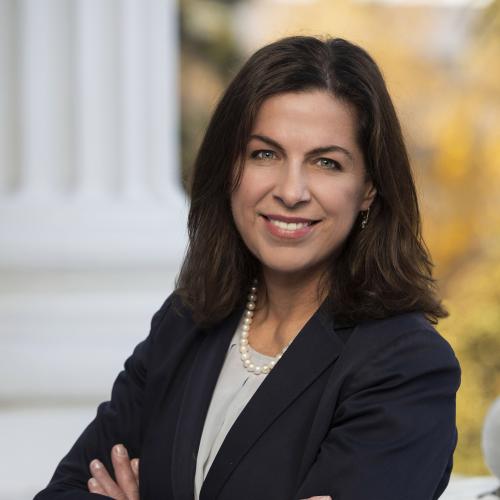
Diane Papan’s biography includes Millbrae, Capuchino High School, San Mateo city government and, now, the State Assembly. In 2015, she ran for the San Mateo City Council and defeated incumbent Maureen Freschet. Three years later, she was elected deputy mayor. In 2022, Papan moved from city office to a campaign for the newly redrawn Assembly district, ultimately winning after her general-election opponent withdrew. The Assembly was already part of her family history: her father, Lou Papan, was a longtime member and former speaker.
ROOTS
Papan was born Aug. 22, 1963, in Millbrae to Greek-American Lou Papan. She attended Capuchino High School in San Bruno.
She attended the University of California, Los Angeles, earning a Bachelor of Arts in political theory in 1985. She then attended the University of California, Hastings College of the Law, receiving her Juris Doctor in 1988.
There was also a direct family connection to the institution where she would eventually serve. Lou Papan was not merely a former legislator; he had been a longtime Assembly member and speaker. Diane Papan’s own route to that chamber, however, began with a municipal election in San Mateo rather than an immediate campaign for state office.
FIRST OFFICE
In 2015, Papan announced that she would run for the San Mateo City Council. The contest put her against incumbent Maureen Freschet. Papan won, defeating an incumbent to secure her first documented elected office.
Her next step came within San Mateo’s city government. In 2018, she was elected Deputy Mayor of San Mateo, an office she held before her election to the State Assembly.
The documented sequence is concise: a council challenge, a victory over a sitting officeholder and election as deputy mayor. These were the municipal offices identified before her Assembly campaign. Her documented experience in elected office before that campaign was in San Mateo city government.
THE JUMP
Papan announced her Assembly campaign in January 2022, seeking the newly redrawn 21st district. The primary advanced Papan and Redwood City Mayor Giselle Hale to the general election.
That contest changed in July. Hale announced that she was withdrawing, citing a smear campaign against her and the impact on her daughters. Papan ultimately won the general election.
The result moved Papan from San Mateo municipal government into the State Assembly, where her father had served. Her general-election victory came after the other candidate who had advanced from the primary withdrew. The documented election sequence therefore includes Hale’s withdrawal before Papan’s ultimate victory.
WHAT TO KNOW
Papan’s documented officeholding sequence is San Mateo councilmember, deputy mayor and then Assembly member for the 21st district. This career history identifies no particular bill, vote, policy campaign, committee role or state appointment.
It also does not identify a specific organized interest or constituency as the sustained focus of her policymaking. The elections described were for the San Mateo City Council and the 21st Assembly district. Her documented transition was from San Mateo city government to the State Assembly. This career history does not provide a legislative policy record from which to assess how she has used her Assembly office.
- State Assembly · Assembly District 21 · 2022–present
Diane Papan’s biography includes Millbrae, Capuchino High School, San Mateo city government and, now, the State Assembly. In 2015, she ran for the San Mateo City Council and defeated incumbent Maureen Freschet. Three years later, she was elected deputy mayor. In 2022, Papan moved from city office to a campaign for the newly redrawn Assembly district, ultimately winning after her general-election opponent withdrew. The Assembly was already part of her family history: her father, Lou Papan, was a longtime member and former speaker.
ROOTS
Papan was born Aug. 22, 1963, in Millbrae to Greek-American Lou Papan. She attended Capuchino High School in San Bruno.
She attended the University of California, Los Angeles, earning a Bachelor of Arts in political theory in 1985. She then attended the University of California, Hastings College of the Law, receiving her Juris Doctor in 1988.
There was also a direct family connection to the institution where she would eventually serve. Lou Papan was not merely a former legislator; he had been a longtime Assembly member and speaker. Diane Papan’s own route to that chamber, however, began with a municipal election in San Mateo rather than an immediate campaign for state office.
FIRST OFFICE
In 2015, Papan announced that she would run for the San Mateo City Council. The contest put her against incumbent Maureen Freschet. Papan won, defeating an incumbent to secure her first documented elected office.
Her next step came within San Mateo’s city government. In 2018, she was elected Deputy Mayor of San Mateo, an office she held before her election to the State Assembly.
The documented sequence is concise: a council challenge, a victory over a sitting officeholder and election as deputy mayor. These were the municipal offices identified before her Assembly campaign. Her documented experience in elected office before that campaign was in San Mateo city government.
THE JUMP
Papan announced her Assembly campaign in January 2022, seeking the newly redrawn 21st district. The primary advanced Papan and Redwood City Mayor Giselle Hale to the general election.
That contest changed in July. Hale announced that she was withdrawing, citing a smear campaign against her and the impact on her daughters. Papan ultimately won the general election.
The result moved Papan from San Mateo municipal government into the State Assembly, where her father had served. Her general-election victory came after the other candidate who had advanced from the primary withdrew. The documented election sequence therefore includes Hale’s withdrawal before Papan’s ultimate victory.
WHAT TO KNOW
Papan’s documented officeholding sequence is San Mateo councilmember, deputy mayor and then Assembly member for the 21st district. This career history identifies no particular bill, vote, policy campaign, committee role or state appointment.
It also does not identify a specific organized interest or constituency as the sustained focus of her policymaking. The elections described were for the San Mateo City Council and the 21st Assembly district. Her documented transition was from San Mateo city government to the State Assembly. This career history does not provide a legislative policy record from which to assess how she has used her Assembly office.
The record
5,384 events, each with its sourceSB 1306 Cortese Senate Third Reading By Schultz
SB 1307 Jones Senate Third Reading By Boerner
SB 1405 Smallwood-Cuevas Senate Third Reading By Harabedian
SJR 18 McNerney Senate Third Reading By Rogers
AB 230 Ransom Concurrence in Senate Amendments
AB 1278 Harabedian Concurrence in Senate Amendments
AB 1636 Solache Concurrence in Senate Amendments
AB 1760 Arambula Concurrence in Senate Amendments
AB 1828 Chen Concurrence in Senate Amendments
AB 1873 Bennett Concurrence in Senate Amendments
AB 1982 Lowenthal Concurrence in Senate Amendments By AGUIAR-CURRY
AB 2120 Solache Concurrence in Senate Amendments
AB 2312 Ávila Farías Concurrence in Senate Amendments
AB 2341 Fong Concurrence in Senate Amendments
AB 2390 Schiavo Concurrence in Senate Amendments
AB 2413 Ransom Concurrence in Senate Amendments
AB 2437 Chen Concurrence in Senate Amendments
AB 2453 Michelle Rodriguez Concurrence in Senate Amendments
AB 2596 Gipson Concurrence in Senate Amendments
AB 2685 Agriculture Concurrence in Senate Amendments By SORIA
AB 2778 Agriculture Concurrence in Senate Amendments By SORIA
HR 128 Pellerin Consent Calendar Second Day
HR 131 Muratsuchi Consent Calendar Second Day Regular Session
SB 308 Seyarto Senate Third Reading By Patel
SB 892 Grove Consent Calendar Second Day Regular Session
SB 902 Grayson Consent Calendar Second Day Regular Session
SB 917 Laird Senate Third Reading By Wilson
SB 928 Cervantes Senate Third Reading By Fong
SB 952 Laird Senate Third Reading By Papan
SB 965 Blakespear Senate Third Reading By Patel
SB 1005 Caballero Third Reading Urgency By Ward
SB 1008 Ochoa Bogh Consent Calendar Second Day Regular Session
SB 1038 Laird Senate Third Reading By Caloza
SB 1055 Laird Senate Third Reading By Pellerin
SB 1100 Smallwood-Cuevas Consent Calendar Second Day Regular Session
SB 1159 Cabaldon Senate Third Reading By Lowenthal
SB 1172 Hurtado Senate Third Reading By Stefani
SB 1188 Archuleta Consent Calendar Second Day Regular Session
SB 1207 Laird Consent Calendar Second Day Regular Session
SB 1253 Laird Consent Calendar Second Day Regular Session
SB 1274 Archuleta Senate Third Reading By Pacheco
SB 1285 Durazo Senate Third Reading By Harabedian
SB 1316 Smallwood-Cuevas Consent Calendar Second Day Regular Session
SB 1324 Blakespear Consent Calendar Second Day Regular Session
SB 1375 Cortese Senate Third Reading By Kalra
SB 1381 Cervantes Consent Calendar Second Day Regular Session
SB 1389 Dahle Consent Calendar Second Day Regular Session
SB 1410 Limón Consent Calendar Second Day Regular Session
SB 1420 Richardson Consent Calendar Second Day Regular Session