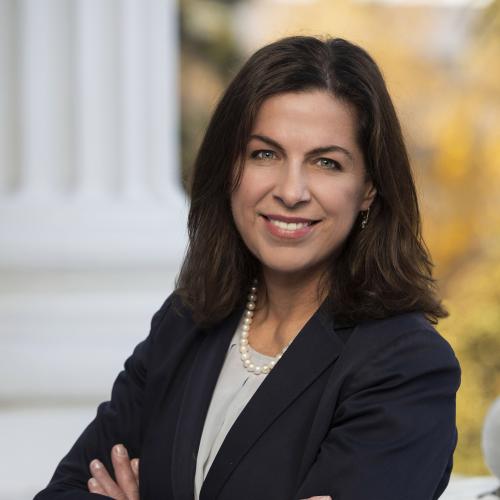
Diane Papan’s biography includes Millbrae, Capuchino High School, San Mateo city government and, now, the State Assembly. In 2015, she ran for the San Mateo City Council and defeated incumbent Maureen Freschet. Three years later, she was elected deputy mayor. In 2022, Papan moved from city office to a campaign for the newly redrawn Assembly district, ultimately winning after her general-election opponent withdrew. The Assembly was already part of her family history: her father, Lou Papan, was a longtime member and former speaker.
ROOTS
Papan was born Aug. 22, 1963, in Millbrae to Greek-American Lou Papan. She attended Capuchino High School in San Bruno.
She attended the University of California, Los Angeles, earning a Bachelor of Arts in political theory in 1985. She then attended the University of California, Hastings College of the Law, receiving her Juris Doctor in 1988.
There was also a direct family connection to the institution where she would eventually serve. Lou Papan was not merely a former legislator; he had been a longtime Assembly member and speaker. Diane Papan’s own route to that chamber, however, began with a municipal election in San Mateo rather than an immediate campaign for state office.
FIRST OFFICE
In 2015, Papan announced that she would run for the San Mateo City Council. The contest put her against incumbent Maureen Freschet. Papan won, defeating an incumbent to secure her first documented elected office.
Her next step came within San Mateo’s city government. In 2018, she was elected Deputy Mayor of San Mateo, an office she held before her election to the State Assembly.
The documented sequence is concise: a council challenge, a victory over a sitting officeholder and election as deputy mayor. These were the municipal offices identified before her Assembly campaign. Her documented experience in elected office before that campaign was in San Mateo city government.
THE JUMP
Papan announced her Assembly campaign in January 2022, seeking the newly redrawn 21st district. The primary advanced Papan and Redwood City Mayor Giselle Hale to the general election.
That contest changed in July. Hale announced that she was withdrawing, citing a smear campaign against her and the impact on her daughters. Papan ultimately won the general election.
The result moved Papan from San Mateo municipal government into the State Assembly, where her father had served. Her general-election victory came after the other candidate who had advanced from the primary withdrew. The documented election sequence therefore includes Hale’s withdrawal before Papan’s ultimate victory.
WHAT TO KNOW
Papan’s documented officeholding sequence is San Mateo councilmember, deputy mayor and then Assembly member for the 21st district. This career history identifies no particular bill, vote, policy campaign, committee role or state appointment.
It also does not identify a specific organized interest or constituency as the sustained focus of her policymaking. The elections described were for the San Mateo City Council and the 21st Assembly district. Her documented transition was from San Mateo city government to the State Assembly. This career history does not provide a legislative policy record from which to assess how she has used her Assembly office.
- State Assembly · Assembly District 21 · 2022–present
Diane Papan’s biography includes Millbrae, Capuchino High School, San Mateo city government and, now, the State Assembly. In 2015, she ran for the San Mateo City Council and defeated incumbent Maureen Freschet. Three years later, she was elected deputy mayor. In 2022, Papan moved from city office to a campaign for the newly redrawn Assembly district, ultimately winning after her general-election opponent withdrew. The Assembly was already part of her family history: her father, Lou Papan, was a longtime member and former speaker.
ROOTS
Papan was born Aug. 22, 1963, in Millbrae to Greek-American Lou Papan. She attended Capuchino High School in San Bruno.
She attended the University of California, Los Angeles, earning a Bachelor of Arts in political theory in 1985. She then attended the University of California, Hastings College of the Law, receiving her Juris Doctor in 1988.
There was also a direct family connection to the institution where she would eventually serve. Lou Papan was not merely a former legislator; he had been a longtime Assembly member and speaker. Diane Papan’s own route to that chamber, however, began with a municipal election in San Mateo rather than an immediate campaign for state office.
FIRST OFFICE
In 2015, Papan announced that she would run for the San Mateo City Council. The contest put her against incumbent Maureen Freschet. Papan won, defeating an incumbent to secure her first documented elected office.
Her next step came within San Mateo’s city government. In 2018, she was elected Deputy Mayor of San Mateo, an office she held before her election to the State Assembly.
The documented sequence is concise: a council challenge, a victory over a sitting officeholder and election as deputy mayor. These were the municipal offices identified before her Assembly campaign. Her documented experience in elected office before that campaign was in San Mateo city government.
THE JUMP
Papan announced her Assembly campaign in January 2022, seeking the newly redrawn 21st district. The primary advanced Papan and Redwood City Mayor Giselle Hale to the general election.
That contest changed in July. Hale announced that she was withdrawing, citing a smear campaign against her and the impact on her daughters. Papan ultimately won the general election.
The result moved Papan from San Mateo municipal government into the State Assembly, where her father had served. Her general-election victory came after the other candidate who had advanced from the primary withdrew. The documented election sequence therefore includes Hale’s withdrawal before Papan’s ultimate victory.
WHAT TO KNOW
Papan’s documented officeholding sequence is San Mateo councilmember, deputy mayor and then Assembly member for the 21st district. This career history identifies no particular bill, vote, policy campaign, committee role or state appointment.
It also does not identify a specific organized interest or constituency as the sustained focus of her policymaking. The elections described were for the San Mateo City Council and the 21st Assembly district. Her documented transition was from San Mateo city government to the State Assembly. This career history does not provide a legislative policy record from which to assess how she has used her Assembly office.
The record
5,034 events, each with its sourceSB 692 Arreguín Senate Third Reading By Mark González
SB 872 McNerney Senate Third Reading By Harabedian
SB 925 McNerney Senate Third Reading By Calderon
SB 932 Hurtado Senate Third Reading By Papan
SB 934 Wiener Senate Third Reading By Ward
SB 945 Weber Pierson Senate Third Reading By Alanis
SB 977 Weber Pierson Senate Third Reading By Schiavo
SB 990 Grove Senate Third Reading By Ellis
SB 1030 Smallwood-Cuevas Senate Third Reading By Sharp-Collins
SB 1056 Grayson Senate Third Reading By Schultz
SB 1069 Grayson Senate Third Reading By Wilson
SB 1135 Blakespear Senate Third Reading By Rogers
SB 1149 Durazo Senate Third Reading By Wicks
SB 1154 Reyes Senate Third Reading By Schultz
SB 1192 Rubio Senate Third Reading By Stefani
SB 1194 Caballero Senate Third Reading By Bonta
SB 1263 McGuire Senate Third Reading By Rogers
SB 1264 Valladares Senate Third Reading By Dixon
SB 1354 Archuleta Senate Third Reading By Schiavo
SB 1371 Durazo Senate Third Reading By Harabedian
SB 1400 Arreguín Senate Third Reading By Ortega
SCR 129 Cortese Senate Third Reading By Calderon
SCR 142 Becker Consent Calendar Second Day Regular Session
SCR 182 Seyarto Consent Calendar Second Day Regular Session
SCR 186 Grayson Consent Calendar Second Day Regular Session
SCR 188 Pérez Consent Calendar Second Day Regular Session
SCR 191 Seyarto Consent Calendar Second Day Regular Session
SCR 192 Stern Consent Calendar Second Day Regular Session
SCR 195 Reyes Consent Calendar Second Day Regular Session
SCR 196 Limón Consent Calendar Second Day Regular Session
SJR 16 Caballero Senate Third Reading By Wilson
AB 442 Hadwick Concurrence in Senate Amendments
AB 1145 Jeff Gonzalez Concurrence in Senate Amendments
AB 2042 Kalra Concurrence in Senate Amendments
ACR 162 Hadwick Concurrence in Senate Amendments
ACR 228 Wilson Consent Calendar Second Day
AJR 17 Celeste Rodriguez Concurrence in Senate Amendments
SB 505 Richardson Senate Third Reading By Krell
SB 799 Allen Senate Third Reading By Muratsuchi
SB 881 McNerney Third Reading Urgency By Soria
SB 941 Padilla Senate Third Reading By Carrillo
SB 971 Choi Senate Third Reading By Garcia
SB 994 Cabaldon Senate Third Reading By Carrillo
SB 1115 Grove Senate Third Reading By Macedo
SB 1169 Grayson Senate Third Reading By Carrillo
SB 1187 Durazo Third Reading Urgency By Fong
SB 1193 Wahab Senate Third Reading By Quirk-Silva
SB 1196 McNerney Senate Third Reading By Kalra
SB 1211 Gonzalez Senate Third Reading By Schultz
SB 1306 Cortese Senate Third Reading By Schultz