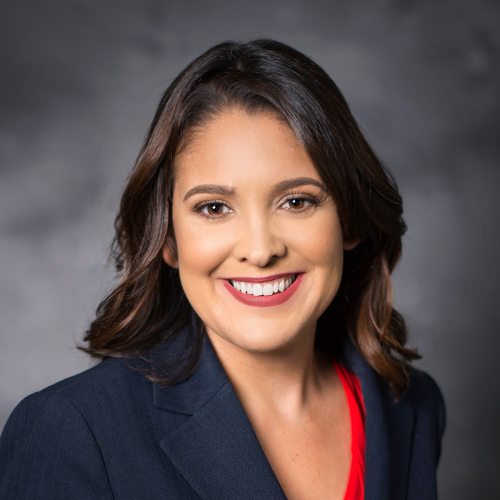
Downey is a recurring place in Blanca Pacheco’s public life: she graduated from Downey High School and later served on the City Council and as mayor. Her route to Sacramento also included Cerritos College, UCLA and Loyola Law School, followed by legal and real estate work in Pico Rivera and El Monte. Voters elected her to the California State Assembly in November 2022, and she took office for the 64th district on December 5 of that year. In the Assembly, she chairs the Rules Committee and serves on the Judiciary, Governmental Organization and Local Government committees. In April 2024, she reintroduced a bill concerning the use of accents, umlauts, tildes and other diacritical marks on official records.
BACKGROUND AND FORMATION
Pacheco was born on April 17, 1974. After graduating from Downey High School, she attended Cerritos College and later transferred to the University of California, Los Angeles, where she earned a Bachelor of Arts degree in political science. She then received a Juris Doctor from Loyola Law School.
Her professional record combines law with real estate. From 2006 to 2014, she worked as an attorney and real estate broker at Realty Executives in Pico Rivera. From 2006 to 2018, she operated an independent legal practice specializing in probate, estates and evictions.
In 2020, Pacheco joined Olivarez Madruga Lemieux O’Neill, LLP, in El Monte. Before her election to the Legislature, her career had included an independent legal practice, real estate brokerage and joining a law firm.
FROM CITY HALL TO THE ASSEMBLY
Pacheco served as a member of the Downey City Council and as mayor of Downey.
She was elected to the Assembly in November 2022 and assumed office on December 5, 2022. She represents the 64th district.
Pacheco chairs the Assembly Rules Committee. She also serves on the Judiciary, Governmental Organization and Local Government committees.
THE POLICY SIGNATURE
In April 2024, Pacheco reintroduced a bill that would permit California residents to use accents, umlauts, tildes and other diacritical marks on official records.
Her Assembly work also includes chairing the Rules Committee and serving on the Judiciary, Governmental Organization and Local Government committees.
- State Assembly · Assembly District 64 · 2022–present
Downey is a recurring place in Blanca Pacheco’s public life: she graduated from Downey High School and later served on the City Council and as mayor. Her route to Sacramento also included Cerritos College, UCLA and Loyola Law School, followed by legal and real estate work in Pico Rivera and El Monte. Voters elected her to the California State Assembly in November 2022, and she took office for the 64th district on December 5 of that year. In the Assembly, she chairs the Rules Committee and serves on the Judiciary, Governmental Organization and Local Government committees. In April 2024, she reintroduced a bill concerning the use of accents, umlauts, tildes and other diacritical marks on official records.
BACKGROUND AND FORMATION
Pacheco was born on April 17, 1974. After graduating from Downey High School, she attended Cerritos College and later transferred to the University of California, Los Angeles, where she earned a Bachelor of Arts degree in political science. She then received a Juris Doctor from Loyola Law School.
Her professional record combines law with real estate. From 2006 to 2014, she worked as an attorney and real estate broker at Realty Executives in Pico Rivera. From 2006 to 2018, she operated an independent legal practice specializing in probate, estates and evictions.
In 2020, Pacheco joined Olivarez Madruga Lemieux O’Neill, LLP, in El Monte. Before her election to the Legislature, her career had included an independent legal practice, real estate brokerage and joining a law firm.
FROM CITY HALL TO THE ASSEMBLY
Pacheco served as a member of the Downey City Council and as mayor of Downey.
She was elected to the Assembly in November 2022 and assumed office on December 5, 2022. She represents the 64th district.
Pacheco chairs the Assembly Rules Committee. She also serves on the Judiciary, Governmental Organization and Local Government committees.
THE POLICY SIGNATURE
In April 2024, Pacheco reintroduced a bill that would permit California residents to use accents, umlauts, tildes and other diacritical marks on official records.
Her Assembly work also includes chairing the Rules Committee and serving on the Judiciary, Governmental Organization and Local Government committees.
The record
7,405 events, each with its sourceDo pass. To Consent Calendar
Do pass. To Consent Calendar
Do pass. To Consent Calendar
Do pass. To Consent Calendar
Do pass. To Consent Calendar
Do pass. To Consent Calendar
Do pass. To Consent Calendar
Do pass. To Consent Calendar
Do pass. To Consent Calendar
Do pass. To Consent Calendar
Do pass. To Consent Calendar
Do pass. To Consent Calendar
Do pass. To Consent Calendar
Do pass. To Consent Calendar
Do pass. To Consent Calendar
Do pass. To Consent Calendar
Do pass. To Consent Calendar
Do pass. To Consent Calendar
Do pass. To Consent Calendar
Do pass. To Consent Calendar
Do pass. To Consent Calendar
Do pass. To Consent Calendar
Do pass. To Consent Calendar
Do pass. To Consent Calendar
Do pass. To Consent Calendar
Do pass. To Consent Calendar