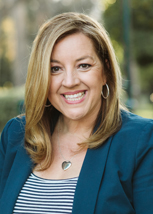
Angelique Ashby’s route through Sacramento runs from Sacramento High School to the City Council and now the State Senate. Her family moved to the region while she was in elementary school, settling first in Roseville and later in the City of Sacramento. She spent 12 years on the Sacramento City Council, representing the first district and serving seven times as vice mayor or mayor pro tem. In 2022, District 8 voters chose her after a costly contest between two Democrats. Her record includes work on homelessness, school funding, literacy, economic development, infrastructure and climate change, alongside a personal history of using social services and consulting programs for parolees, foster children and incarcerated women.
ROOTS
Ashby was born in Ashland, Oregon, on March 20, 1975. After her family moved to the Greater Sacramento region, she attended Sierra Gardens Elementary School and Warren T. Eich Junior High in Roseville. The family later moved into Sacramento, where she graduated from Sacramento High School.
She became a single mother at 20. She lived in low-income housing and used subsidized childcare, food assistance and other social service programs. She later earned a bachelor’s degree from the University of California, Davis, and a law degree from the University of the Pacific McGeorge School of Law.
Her father had headed California’s state foster care system. Ashby and her late father founded a consulting firm that created programs to assist parolees, foster children and incarcerated women.
CITY HALL TO THE SENATE
Ashby was elected to the Sacramento City Council in 2010. During her 12 years there, her work included homelessness, school funding, literacy, economic development, infrastructure and climate change. She was the council’s only female member for more than six years and the first female councilmember to give birth while holding office.
Her 2022 campaign for Senate District 8 became one of the most expensive state races on record, with $14.5 million spent, according to Cal Matters. Ashby and former Insurance Commissioner Dave Jones both ran as Democrats. Her endorsements included former state senator Richard Pan, Gov. Gavin Newsom, former governor Jerry Brown and EMILY’s List.
The campaign also produced a fight over how Ashby could describe herself to voters. Jones sued the California secretary of state to remove her ballot designation as a “women’s advocate,” arguing that it was not a profession. Ashby changed the designation to “Sacramento City Councilwoman.”
She finished second to Jones in the June 7 primary, then won the Nov. 8 general election. Jones conceded on Nov. 29 after Ashby’s election-night lead grew with each ballot-count update. The result made Ashby the first woman in more than 20 years elected to the State Senate representing the majority of Sacramento County, and only the second woman ever to do so.
THE POLICY SIGNATURE
Ashby’s documented record includes her personal use of low-income housing and social service programs; consulting programs for parolees, foster children and incarcerated women; and City Council work focused on homelessness, school funding, literacy, economic development, infrastructure and climate change.
She was the lone woman on the City Council for more than six years and the first female councilmember to give birth while in office. Her Senate campaign received support from EMILY’s List, Richard Pan, Gavin Newsom and Jerry Brown.
The 2022 campaign also included the dispute over her proposed “women’s advocate” ballot designation, the lawsuit filed by Jones and her revised designation as “Sacramento City Councilwoman.” After winning the general election, she became a member of the California State Senate representing District 8 in December 2022.
- State Senate · Senate District 8 · 2022–present
Angelique Ashby’s route through Sacramento runs from Sacramento High School to the City Council and now the State Senate. Her family moved to the region while she was in elementary school, settling first in Roseville and later in the City of Sacramento. She spent 12 years on the Sacramento City Council, representing the first district and serving seven times as vice mayor or mayor pro tem. In 2022, District 8 voters chose her after a costly contest between two Democrats. Her record includes work on homelessness, school funding, literacy, economic development, infrastructure and climate change, alongside a personal history of using social services and consulting programs for parolees, foster children and incarcerated women.
ROOTS
Ashby was born in Ashland, Oregon, on March 20, 1975. After her family moved to the Greater Sacramento region, she attended Sierra Gardens Elementary School and Warren T. Eich Junior High in Roseville. The family later moved into Sacramento, where she graduated from Sacramento High School.
She became a single mother at 20. She lived in low-income housing and used subsidized childcare, food assistance and other social service programs. She later earned a bachelor’s degree from the University of California, Davis, and a law degree from the University of the Pacific McGeorge School of Law.
Her father had headed California’s state foster care system. Ashby and her late father founded a consulting firm that created programs to assist parolees, foster children and incarcerated women.
CITY HALL TO THE SENATE
Ashby was elected to the Sacramento City Council in 2010. During her 12 years there, her work included homelessness, school funding, literacy, economic development, infrastructure and climate change. She was the council’s only female member for more than six years and the first female councilmember to give birth while holding office.
Her 2022 campaign for Senate District 8 became one of the most expensive state races on record, with $14.5 million spent, according to Cal Matters. Ashby and former Insurance Commissioner Dave Jones both ran as Democrats. Her endorsements included former state senator Richard Pan, Gov. Gavin Newsom, former governor Jerry Brown and EMILY’s List.
The campaign also produced a fight over how Ashby could describe herself to voters. Jones sued the California secretary of state to remove her ballot designation as a “women’s advocate,” arguing that it was not a profession. Ashby changed the designation to “Sacramento City Councilwoman.”
She finished second to Jones in the June 7 primary, then won the Nov. 8 general election. Jones conceded on Nov. 29 after Ashby’s election-night lead grew with each ballot-count update. The result made Ashby the first woman in more than 20 years elected to the State Senate representing the majority of Sacramento County, and only the second woman ever to do so.
THE POLICY SIGNATURE
Ashby’s documented record includes her personal use of low-income housing and social service programs; consulting programs for parolees, foster children and incarcerated women; and City Council work focused on homelessness, school funding, literacy, economic development, infrastructure and climate change.
She was the lone woman on the City Council for more than six years and the first female councilmember to give birth while in office. Her Senate campaign received support from EMILY’s List, Richard Pan, Gavin Newsom and Jerry Brown.
The 2022 campaign also included the dispute over her proposed “women’s advocate” ballot designation, the lawsuit filed by Jones and her revised designation as “Sacramento City Councilwoman.” After winning the general election, she became a member of the California State Senate representing District 8 in December 2022.
The record
5,032 events, each with its sourceSenate 3rd Reading SCR187 Ochoa Bogh et al
Senate 3rd Reading SJR14 Cabaldon et al
Do pass, but first be re-referred to the Committee on [Housing]
Do pass, but first be re-referred to the Committee on [Governmental Organization]
Do pass, but first be re-referred to the Committee on [Health]
Do pass, but first be re-referred to the Committee on [Business, Professions and Economic Development]
Do pass, but first be re-referred to the Committee on [Appropriations]
Do pass as amended, but first amend, and re-refer to the Committee on [Housing]
Do pass as amended, but first amend, and re-refer to the Committee on [Appropriations]
Do pass, but first be re-referred to the Committee on [Human Services]
Do pass as amended, but first amend, and re-refer to the Committee on [Housing]
Do pass, but first be re-referred to the Committee on [Housing]
Do pass, but first be re-referred to the Committee on [Appropriations]
Do pass
Do pass, but first be re-referred to the Committee on [Public Safety]
Do pass as amended, but first amend, and re-refer to the Committee on [Appropriations] with the recommendation: To Consent Calendar
Do pass, but first be re-referred to the Committee on [Appropriations]
Do pass, but first be re-referred to the Committee on [Judiciary] with the recommendation: To Consent Calendar
Do pass, but first be re-referred to the Committee on [Education]
Do pass and be ordered to the Consent Calendar
Do pass, but first be re-referred to the Committee on [Appropriations]
Do pass, but first be re-referred to the Committee on [Appropriations] with the recommendation: To Consent Calendar
Do pass
Do pass, but first be re-referred to the Committee on [Appropriations] with the recommendation: To Consent Calendar
Do pass as amended, but first amend, and re-refer to the Committee on [Business, Professions and Economic Development] with the recommendation: To Consent Calendar
Do pass as amended, and be ordered to the Consent Calendar
Do pass, but first be re-referred to the Committee on [Governmental Organization] with the recommendation: To Consent Calendar
Do pass, but first be re-referred to the Committee on [Privacy, Digital Technologies, and Consumer Protection]
Do pass, but first be re-referred to the Committee on [Environmental Quality]
Do pass, but first be re-referred to the Committee on [Appropriations]
Do pass as amended, but first amend, and re-refer to the Committee on [Appropriations] with the recommendation: To Consent Calendar
Do pass, but first be re-referred to the Committee on [Appropriations]
Do pass, but first be re-referred to the Committee on [Appropriations]
Do pass, but first be re-referred to the Committee on [Appropriations] with the recommendation: To Consent Calendar
Do pass, but first be re-referred to the Committee on [Labor, Public Employment and Retirement ]
Do pass, but first be re-referred to the Committee on [Appropriations] with the recommendation: To Consent Calendar
Do pass, but first be re-referred to the Committee on [Business, Professions and Economic Development] with the recommendation: To Consent Calendar
Do pass as amended, but first amend, and re-refer to the Committee on [Appropriations] with the recommendation: To Consent Calendar
Do pass as amended, but first amend, and re-refer to the Committee on [Human Services]
Do pass, but first be re-referred to the Committee on [Governmental Organization]
Do pass, but first be re-referred to the Committee on [Privacy, Digital Technologies, and Consumer Protection]
Do pass, but first be re-referred to the Committee on [Judiciary] with the recommendation: To Consent Calendar
Do pass and be ordered to the Consent Calendar
Do pass as amended, but first amend, and re-refer to the Committee on [Public Safety]
Do pass, but first be re-referred to the Committee on [Privacy, Digital Technologies, and Consumer Protection]
Do pass and be ordered to the Consent Calendar
Do pass and be ordered to the Consent Calendar
Do pass, but first be re-referred to the Committee on [Appropriations]
Do pass, but first be re-referred to the Committee on [Environmental Quality] with the recommendation: To Consent Calendar
Do pass, but first be re-referred to the Committee on [Appropriations] with the recommendation: To Consent Calendar