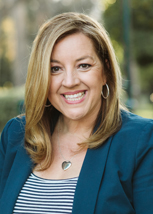
Angelique Ashby’s route through Sacramento runs from Sacramento High School to the City Council and now the State Senate. Her family moved to the region while she was in elementary school, settling first in Roseville and later in the City of Sacramento. She spent 12 years on the Sacramento City Council, representing the first district and serving seven times as vice mayor or mayor pro tem. In 2022, District 8 voters chose her after a costly contest between two Democrats. Her record includes work on homelessness, school funding, literacy, economic development, infrastructure and climate change, alongside a personal history of using social services and consulting programs for parolees, foster children and incarcerated women.
ROOTS
Ashby was born in Ashland, Oregon, on March 20, 1975. After her family moved to the Greater Sacramento region, she attended Sierra Gardens Elementary School and Warren T. Eich Junior High in Roseville. The family later moved into Sacramento, where she graduated from Sacramento High School.
She became a single mother at 20. She lived in low-income housing and used subsidized childcare, food assistance and other social service programs. She later earned a bachelor’s degree from the University of California, Davis, and a law degree from the University of the Pacific McGeorge School of Law.
Her father had headed California’s state foster care system. Ashby and her late father founded a consulting firm that created programs to assist parolees, foster children and incarcerated women.
CITY HALL TO THE SENATE
Ashby was elected to the Sacramento City Council in 2010. During her 12 years there, her work included homelessness, school funding, literacy, economic development, infrastructure and climate change. She was the council’s only female member for more than six years and the first female councilmember to give birth while holding office.
Her 2022 campaign for Senate District 8 became one of the most expensive state races on record, with $14.5 million spent, according to Cal Matters. Ashby and former Insurance Commissioner Dave Jones both ran as Democrats. Her endorsements included former state senator Richard Pan, Gov. Gavin Newsom, former governor Jerry Brown and EMILY’s List.
The campaign also produced a fight over how Ashby could describe herself to voters. Jones sued the California secretary of state to remove her ballot designation as a “women’s advocate,” arguing that it was not a profession. Ashby changed the designation to “Sacramento City Councilwoman.”
She finished second to Jones in the June 7 primary, then won the Nov. 8 general election. Jones conceded on Nov. 29 after Ashby’s election-night lead grew with each ballot-count update. The result made Ashby the first woman in more than 20 years elected to the State Senate representing the majority of Sacramento County, and only the second woman ever to do so.
THE POLICY SIGNATURE
Ashby’s documented record includes her personal use of low-income housing and social service programs; consulting programs for parolees, foster children and incarcerated women; and City Council work focused on homelessness, school funding, literacy, economic development, infrastructure and climate change.
She was the lone woman on the City Council for more than six years and the first female councilmember to give birth while in office. Her Senate campaign received support from EMILY’s List, Richard Pan, Gavin Newsom and Jerry Brown.
The 2022 campaign also included the dispute over her proposed “women’s advocate” ballot designation, the lawsuit filed by Jones and her revised designation as “Sacramento City Councilwoman.” After winning the general election, she became a member of the California State Senate representing District 8 in December 2022.
- State Senate · Senate District 8 · 2022–present
Angelique Ashby’s route through Sacramento runs from Sacramento High School to the City Council and now the State Senate. Her family moved to the region while she was in elementary school, settling first in Roseville and later in the City of Sacramento. She spent 12 years on the Sacramento City Council, representing the first district and serving seven times as vice mayor or mayor pro tem. In 2022, District 8 voters chose her after a costly contest between two Democrats. Her record includes work on homelessness, school funding, literacy, economic development, infrastructure and climate change, alongside a personal history of using social services and consulting programs for parolees, foster children and incarcerated women.
ROOTS
Ashby was born in Ashland, Oregon, on March 20, 1975. After her family moved to the Greater Sacramento region, she attended Sierra Gardens Elementary School and Warren T. Eich Junior High in Roseville. The family later moved into Sacramento, where she graduated from Sacramento High School.
She became a single mother at 20. She lived in low-income housing and used subsidized childcare, food assistance and other social service programs. She later earned a bachelor’s degree from the University of California, Davis, and a law degree from the University of the Pacific McGeorge School of Law.
Her father had headed California’s state foster care system. Ashby and her late father founded a consulting firm that created programs to assist parolees, foster children and incarcerated women.
CITY HALL TO THE SENATE
Ashby was elected to the Sacramento City Council in 2010. During her 12 years there, her work included homelessness, school funding, literacy, economic development, infrastructure and climate change. She was the council’s only female member for more than six years and the first female councilmember to give birth while holding office.
Her 2022 campaign for Senate District 8 became one of the most expensive state races on record, with $14.5 million spent, according to Cal Matters. Ashby and former Insurance Commissioner Dave Jones both ran as Democrats. Her endorsements included former state senator Richard Pan, Gov. Gavin Newsom, former governor Jerry Brown and EMILY’s List.
The campaign also produced a fight over how Ashby could describe herself to voters. Jones sued the California secretary of state to remove her ballot designation as a “women’s advocate,” arguing that it was not a profession. Ashby changed the designation to “Sacramento City Councilwoman.”
She finished second to Jones in the June 7 primary, then won the Nov. 8 general election. Jones conceded on Nov. 29 after Ashby’s election-night lead grew with each ballot-count update. The result made Ashby the first woman in more than 20 years elected to the State Senate representing the majority of Sacramento County, and only the second woman ever to do so.
THE POLICY SIGNATURE
Ashby’s documented record includes her personal use of low-income housing and social service programs; consulting programs for parolees, foster children and incarcerated women; and City Council work focused on homelessness, school funding, literacy, economic development, infrastructure and climate change.
She was the lone woman on the City Council for more than six years and the first female councilmember to give birth while in office. Her Senate campaign received support from EMILY’s List, Richard Pan, Gavin Newsom and Jerry Brown.
The 2022 campaign also included the dispute over her proposed “women’s advocate” ballot designation, the lawsuit filed by Jones and her revised designation as “Sacramento City Councilwoman.” After winning the general election, she became a member of the California State Senate representing District 8 in December 2022.
The record
5,154 events, each with its sourceUnfinished Business SB1250 Cortese et al. Concurrence
Unfinished Business SB1323 Rubio et al. Concurrence
Unfinished Business SB1371 Durazo Concurrence
Unfinished Business SB1379 Cervantes et al. Concurrence
Unfinished Business SB1414 Reyes et al. Concurrence
Unfinished Business SB1425 Cortese Concurrence
Assembly 3rd Reading AB28 Schiavo et al. By Blakespear
Assembly 3rd Reading AB40 Bonta et al. By Arreguín
Assembly 3rd Reading AB302 Bauer-Kahan By Stern
Assembly 3rd Reading AB395 Gabriel et al. By Ashby
Assembly 3rd Reading AB502 Pellerin et al. By Blakespear Urgency Clause
Assembly 3rd Reading AB539 Schiavo By Weber Pierson
Assembly 3rd Reading AB550 Petrie-Norris By Becker
Assembly 3rd Reading AB643 Wilson By Padilla
Assembly 3rd Reading AB672 Caloza By Grayson
Assembly 3rd Reading AB739 Jackson By Arreguín
Assembly 3rd Reading AB750 Quirk-Silva et al. By Caballero
Assembly 3rd Reading AB762 Irwin By Blakespear
Assembly 3rd Reading AB801 Bonta et al. By Smallwood-Cuevas
Do pass, but first be re-referred to the Committee on [Appropriations]
Assembly 3rd Reading AB880 Bennett et al. By Rubio
Assembly 3rd Reading AB912 Wilson By Cabaldon
Assembly 3rd Reading AB956 Quirk-Silva et al. By Wiener
Assembly 3rd Reading AB982 Carrillo By Grayson
Assembly 3rd Reading AB1093 Solache et al. By Pérez
Assembly 3rd Reading AB1235 Rogers By Durazo
Assembly 3rd Reading AB1235 Rogers By Durazo
Assembly 3rd Reading AB1539 Addis et al. By Umberg
Assembly 3rd Reading AB1604 Stefani et al. By Allen
Assembly 3rd Reading AB1621 Wilson et al. By Grayson
Assembly 3rd Reading AB1659 Ransom et al. By Weber Pierson
Assembly 3rd Reading AB1661 Bryan By Stern
Assembly 3rd Reading AB1664 Jackson et al. By Wiener Urgency Clause
Assembly 3rd Reading AB1665 Pacheco et al. By Ashby
Assembly 3rd Reading AB1669 Pacheco et al. By Reyes
Assembly 3rd Reading AB1697 Kalra By Laird Urgency Clause
Assembly 3rd Reading AB1703 Hart By Grayson
Assembly 3rd Reading AB1731 Wilson et al. By Hurtado
Assembly 3rd Reading AB1761 Rogers et al. By Padilla
Assembly 3rd Reading AB1763 Lee et al. By Pérez
Assembly 3rd Reading AB1792 Michelle Rodriguez By Reyes
Assembly 3rd Reading AB1803 Lowenthal et al. By Smallwood-Cuevas
Assembly 3rd Reading AB1806 Gabriel et al. By Menjivar
Assembly 3rd Reading AB1816 Davies By Rubio
Assembly 3rd Reading AB1821 Pacheco By Cabaldon
Assembly 3rd Reading AB1836 Gabriel et al. By Allen
Assembly 3rd Reading AB1848 Ransom By McNerney
Assembly 3rd Reading AB1853 Pellerin et al. By Wiener
Assembly 3rd Reading AB1876 Addis et al. By Menjivar
Assembly 3rd Reading AB1905 Schultz et al. By Wiener